Have you ever read about a “grizzly murder” or a “grisly bear” and wondered if something sounded off? These two words are among the most commonly confused in English because they look and sound remarkably similar. Yet they have completely different meanings.
If you’re searching for Grisly vs Grizzly, you’re in the right place. This guide explains the meaning of each word, when to use them correctly, how gristly differs from both, and simple memory tricks to ensure you never mix them up again.
Grisly vs Grizzly: The Quick Answer
Although they differ by only two letters, grisly and grizzly describe entirely different things.
| Word | Meaning |
| Grisly | Horrifying, gruesome, shocking, or causing fear |
| Grizzly | A type of large brown bear or something grayish in appearance |
The confusion often occurs because both words share a similar pronunciation, but their origins and meanings are unrelated.
Grisly Meaning
The word grisly is an adjective used to describe something horrifying, gruesome, or deeply disturbing.
You’ll often encounter it in discussions involving:
- Crime reports
- Horror stories
- Historical events
- Fiction
- News articles
Examples
- Police investigated the grisly crime scene.
- The novel describes several grisly battles.
- Witnesses recalled the grisly accident.
In each example, the word emphasizes something shocking or unpleasant.
Synonyms
Some common alternatives include:
- Gruesome
- Horrific
- Macabre
- Terrifying
- Ghastly
- Shocking
- Disturbing
Although these words have slightly different shades of meaning, they often overlap with grisly.
What Is Grizzly?
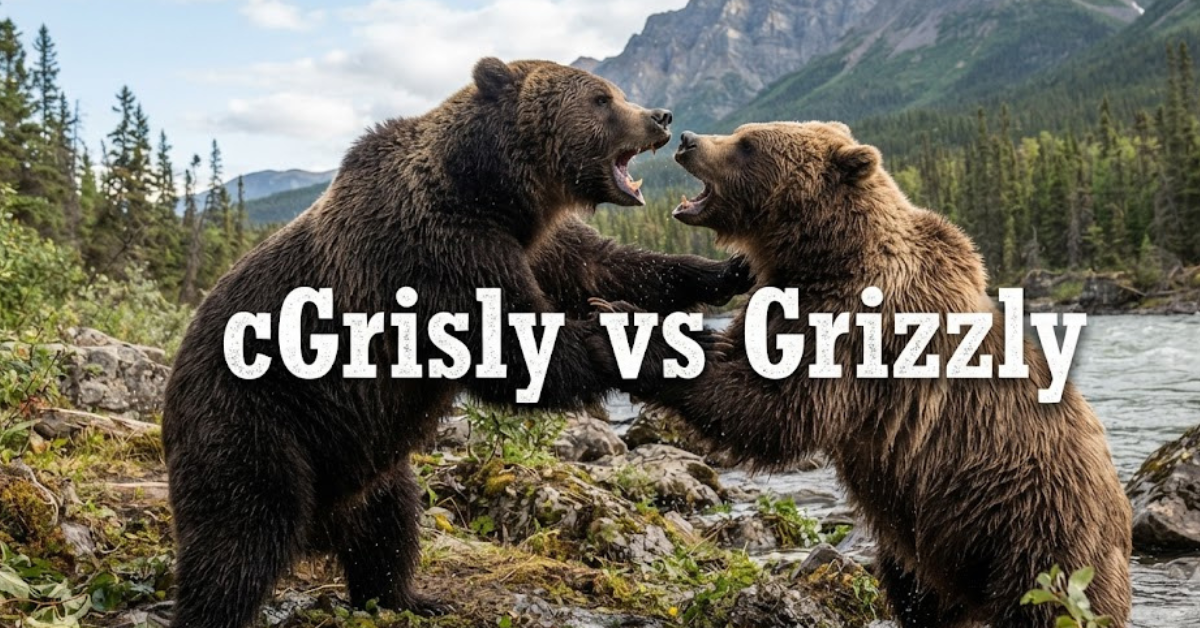
When people ask what is grizzly, they’re usually referring to the famous North American bear.
A grizzly is a large subspecies of the brown bear known for its:
- Massive size
- Muscular build
- Long claws
- Distinct shoulder hump
- Brown or gray-tipped fur
Grizzly bears live primarily in parts of:
- Alaska
- Western Canada
- Montana
- Wyoming
- Idaho
They’re among the largest land predators in North America.
Example
We spotted a grizzly while hiking in Yellowstone National Park.
Here, grizzly clearly refers to the animal—not something frightening.
Grizzly Definition Beyond the Bear
While most people associate the word with bears, the grizzly definition can also describe something gray or grayish in appearance.
This usage is less common today but still appears in literature.
Example:
- His grizzly beard suggested years of hard work outdoors.
In modern English, however, “grizzly” almost always refers to the bear.
Why Do People Confuse Grisly and Grizzly?
Several factors make these words easy to mix up.
Similar Pronunciation
When spoken quickly, the difference is subtle.
Many listeners hear:
- Grisly
- Grizzly
as nearly identical.
Similar Spelling
Only two letters separate them:
- Grisly
- Grizzly
That tiny spelling difference often leads to typing mistakes.
Frequent News Headlines
People sometimes mistakenly write:
Grizzly crime
instead of:
Grisly crime
Since grizzly bears are associated with danger, the incorrect version may seem believable at first glance.
Gristly: Another Easily Confused Word
The word gristly adds even more confusion.
Unlike grisly or grizzly, gristly relates to food.
It describes meat containing a lot of gristle, which is tough cartilage that is difficult to chew.
Examples
- The steak was gristly.
- Nobody enjoyed the gristly roast.
The word has nothing to do with bears or frightening events.
Comparing Grisly, Grizzly, and Gristly
Here’s an easy comparison.
| Word | Meaning | Example |
| Grisly | Horrifying or gruesome | A grisly discovery |
| Grizzly | A large brown bear | A grizzly crossed the trail |
| Gristly | Full of gristle or cartilage | The meat was gristly |
Understanding these distinctions helps eliminate one of English’s most common vocabulary mix-ups.
Example Sentences
Seeing each word in context makes the difference much easier to remember.
Grisly
- The detective described the grisly scene.
- The documentary covered several grisly events.
- They avoided discussing the grisly details.
Grizzly
- A grizzly wandered through the valley.
- Tourists hoped to photograph a grizzly.
- Rangers warned visitors about nearby grizzlies.
Gristly
- The pork chop was surprisingly gristly.
- He avoided the gristly pieces of meat.
- Slow cooking can soften some gristly cuts.
Memory Tricks
Simple memory aids can help you choose the correct word every time.
Remember Grisly
Think:
Grisly = Gruesome
Both words begin with “Gr.”
If something is horrifying, grisly is usually correct.
Remember Grizzly
Think:
Grizzly = Bear
The extra “zz” can remind you of the bear’s thick, fuzzy fur.
Remember Gristly
Think:
Gristly = Gristle
Both relate to tough meat.
Common Mistakes to Avoid
Avoid these frequent errors.
Incorrect
A grizzly murder.
Correct:
A grisly murder.
Incorrect
We saw a grisly in the forest.
Correct:
We saw a grizzly in the forest.
Incorrect
The chicken was grisly.
Correct:
The chicken was gristly.
Using the correct word improves both clarity and credibility.
Why Context Matters
English contains many words that sound alike but have different meanings.
These are called near-homophones.
The surrounding sentence usually tells you which word belongs.
For example:
“The hikers spotted a ______.”
The obvious answer is grizzly.
“The investigators documented a ______ crime scene.”
The correct answer is grisly.
Reading the entire sentence before choosing a word is often the easiest way to avoid mistakes.
Key Takeaways
- Grisly means horrifying, gruesome, or shocking.
- Grizzly usually refers to a large North American brown bear.
- Gristly describes meat containing a lot of tough cartilage.
- Despite their similar pronunciation, the three words have completely different meanings.
- Context is the easiest way to determine which word to use.
Frequently Asked Questions
What is the difference between grisly and grizzly?
Grisly describes something horrifying or gruesome, while grizzly refers to a species of brown bear or, less commonly, something grayish in appearance.
What is grisly meaning?
The word grisly means frightening, shocking, gruesome, or causing horror. It’s commonly used when describing crime scenes, accidents, or disturbing events.
What is grizzly?
A grizzly is a large North American brown bear known for its size, strength, and distinctive shoulder hump. The term may also describe something grayish, although that usage is uncommon today.
What does gristly mean?
Gristly describes meat that contains a lot of gristle, which is tough cartilage. It has no connection to bears or frightening situations.
Is “grizzly murder” correct?
No. The correct phrase is grisly murder because the word describes something gruesome rather than referring to a bear.
How can I remember the difference?
Think of grisly as related to gruesome, grizzly as the bear, and gristly as tough meat. These simple associations make each word easier to remember.
Conclusion
Understanding Grisly vs Grizzly becomes much easier once you know what each word represents. Grisly refers to something horrifying or gruesome, while grizzly almost always describes the well-known North American bear. Meanwhile, gristly belongs in conversations about food, referring to meat that contains tough cartilage.
Although these words are frequently confused because of their similar spelling and pronunciation, using the right one makes your writing clearer and more accurate. The next time you encounter one of these terms, remember to consider the context—it will almost always point you to the correct choice.